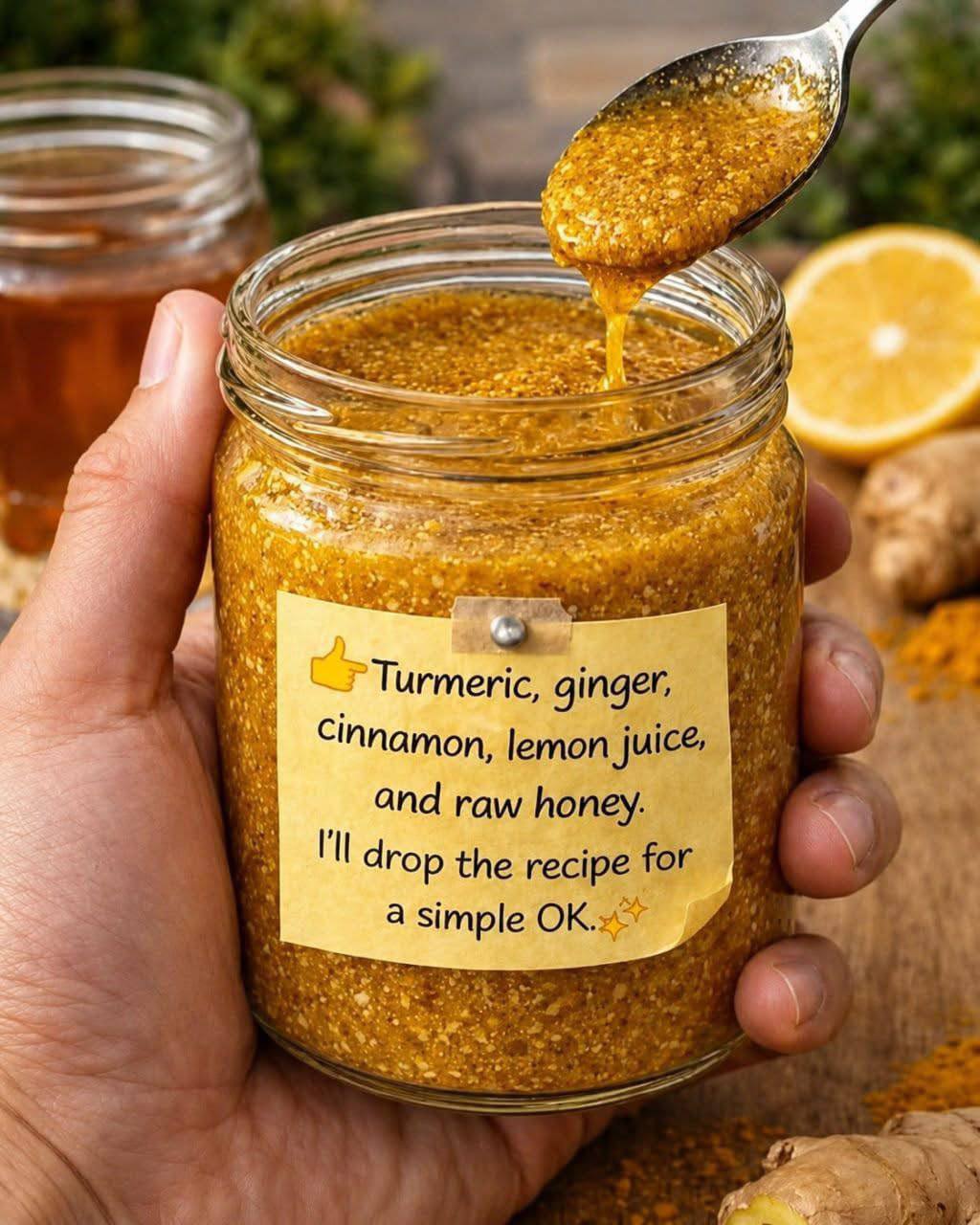
Turmeric, ginger, cinnamon, lemon juice, and honey are five familiar ingredients that have been used in kitchens and traditional food practices for generations. Each ingredient has its own distinctive flavor, and together they make a warm, aromatic mixture that can be enjoyed in a variety of ways.
This combination has become especially popular online because it is often described as a natural remedy for inflammation, colds, digestion, immunity, and many other health concerns. While several of these ingredients contain interesting plant compounds, it is important to separate traditional uses from claims that have not been scientifically established.
The mixture can still be a pleasant addition to a balanced diet without needing to be presented as a cure for disease.
What Makes This Combination Popular?
The appeal of this recipe comes partly from the fact that every ingredient is familiar.
Turmeric provides a warm, earthy flavor and its characteristic golden color. Ginger adds a fresh, slightly spicy taste. Cinnamon contributes sweetness and warmth, while lemon brings acidity and brightness. Honey balances the stronger flavors with natural sweetness.
Together, they create a concentrated mixture that can be stirred into warm water, tea, yogurt, or other foods.
The ingredients also contain naturally occurring compounds that have been studied by researchers. Turmeric, for example, contains curcuminoids, while ginger contains compounds such as gingerols and shogaols.
That scientific interest is one reason these ingredients are frequently discussed in relation to health. However, research on individual compounds does not automatically prove that a homemade mixture will prevent or treat a particular illness.
Ingredients
For a simple homemade mixture, you can use:
- 2 tablespoons ground turmeric
- 1 tablespoon freshly grated ginger
- 1 teaspoon ground cinnamon
- 2 tablespoons fresh lemon juice
- 3 to 4 tablespoons honey
- A small amount of warm water, if needed
The quantities can be adjusted according to taste.
Fresh ginger gives the mixture a stronger and brighter flavor, while powdered ginger is more convenient. You can also use fresh turmeric instead of powdered turmeric when it is available.
How to Make the Mixture
Making this recipe is straightforward.
Start by placing the turmeric and cinnamon in a clean bowl or small jar. Add the freshly grated ginger and mix the ingredients together.
Next, add the lemon juice and honey. Stir thoroughly until the ingredients are combined and the mixture becomes relatively smooth.
If the mixture is too thick, add a small amount of warm water and stir again.
Transfer the mixture to a clean, covered container if you plan to keep it for later use.
Because this recipe contains fresh ingredients, it is best to prepare a modest amount and keep it refrigerated rather than storing it at room temperature for extended periods.
How to Use It
There are several simple ways to enjoy this mixture.
One option is to stir a small spoonful into a cup of warm water. This produces a mild, spiced drink that can be particularly pleasant during cooler weather.
You can also add a small amount to herbal tea or stir it into plain yogurt.
Another option is to use the mixture as a flavoring for foods such as oatmeal or fruit.
There is no need to consume large amounts. The combination has a strong flavor, and a small quantity is generally enough.
Turmeric and Its Natural Compounds
Turmeric is a bright yellow-orange spice commonly used in South Asian, Middle Eastern, and other cuisines.
Its characteristic color comes largely from curcuminoids, including curcumin.
Curcumin has received considerable scientific attention because researchers have studied its antioxidant and anti-inflammatory properties.
However, turmeric used in food is not the same as a concentrated curcumin supplement. The amount of curcumin in ordinary culinary turmeric can vary, and the body does not absorb curcumin particularly efficiently.
For this reason, it is better to think of turmeric primarily as a flavorful spice that can contribute interesting plant compounds to meals rather than as a guaranteed treatment for inflammation or other medical conditions.
Ginger Adds Warmth and Flavor
Ginger is another key ingredient in this recipe.
Fresh ginger has a sharp, spicy flavor that works well with the sweetness of honey and the acidity of lemon.
Ginger contains naturally occurring compounds known as gingerols and related substances. Ginger has also been studied in relation to digestion and nausea.
Many people enjoy ginger in teas, soups, sauces, and other foods.
As with turmeric, however, scientific research into ginger does not mean that every homemade ginger preparation should be considered a medicine.
The strength of the preparation, amount consumed, and individual circumstances can all make a difference.
Cinnamon for a Sweet, Spiced Taste
Cinnamon is one of the oldest and most familiar culinary spices.
It gives this mixture a naturally sweet and warming aroma without requiring a large amount of additional sugar.
There are several types of cinnamon, and their flavor can differ.
Cinnamon is often included in recipes for oatmeal, baked goods, hot drinks, and savory dishes.
Some studies have investigated cinnamon and blood glucose, but evidence is not strong enough to treat cinnamon as a replacement for diabetes medication or a medically prescribed diet.
For everyday cooking, a modest amount can simply be enjoyed for its flavor.
Lemon Brings Freshness
Fresh lemon juice helps balance the stronger flavors of turmeric, ginger, and cinnamon.
It also adds acidity, which makes the mixture taste brighter and less heavy.
Lemon is a source of vitamin C, although the exact amount depends on how much juice is used.
Adding lemon to this recipe is primarily a matter of flavor and nutrition rather than a special detoxifying process.
Claims that lemon water or lemon-based mixtures can “flush toxins” from the body are often exaggerated. The body already has organs, including the liver and kidneys, that carry out important processes involved in handling and removing waste.
Honey Adds Natural Sweetness
Honey makes the mixture easier to enjoy because it softens the sharpness of ginger and the earthy taste of turmeric.
It can also help create a thicker consistency when all the ingredients are mixed together.
Although honey is often described as a natural sweetener, it is still a source of sugars and should be consumed in reasonable amounts.
You can adjust the quantity according to your preferred taste. If you prefer a less sweet mixture, start with a small amount and add more only if necessary.
Is This a Detox Drink?
The mixture is sometimes described online as a powerful detox remedy.
There is no need to use that description.
A healthy body already has systems responsible for processing substances and removing waste. Drinking turmeric, ginger, lemon, cinnamon, and honey does not “clean” the blood or remove toxins in the dramatic way that some social media posts suggest.
That does not make the drink useless. It can still be a flavorful way to consume familiar ingredients and increase your enjoyment of warm beverages.
The important point is to avoid turning a simple food recipe into a medical promise.
Can It Support a Healthy Lifestyle?
A recipe like this can fit into an overall healthy lifestyle.
For example, you might use it as an alternative to heavily sweetened drinks or as a flavorful addition to breakfast.
However, no single drink can replace the basic habits that support good health.
A balanced diet, regular physical activity, adequate sleep, sufficient fluids, and appropriate medical care all have much greater importance than any individual homemade mixture.
Think of this recipe as one small part of your eating routine rather than a shortcut to better health.
A Note About Inflammation
Turmeric and ginger are frequently associated with inflammation because some of their compounds have demonstrated anti-inflammatory activity in laboratory and other research settings.
This is an interesting area of scientific research, but it should not be interpreted as proof that drinking this mixture will treat an inflammatory disease.
Inflammation can be part of many different conditions, and treatment depends on the underlying cause.
If you have persistent pain, swelling, or other symptoms, it is better to determine the cause rather than relying on a homemade drink.
A Note About Digestion
Ginger has traditionally been used in foods and drinks associated with digestion.
Some people find ginger tea pleasant after meals, and its warming flavor can make it a popular choice when the stomach feels unsettled.
Still, persistent digestive problems should not automatically be treated with ginger, turmeric, or honey.
Symptoms that continue for a long time or are accompanied by significant pain, repeated vomiting, bleeding, or other concerning changes should be discussed with a healthcare professional.
Storage
Because this recipe contains fresh ginger and lemon juice, storage deserves some attention.
Place the prepared mixture in a clean, covered container and refrigerate it.
Avoid leaving it sitting at room temperature for long periods, particularly in warm conditions.
Use clean utensils whenever you take some from the container. If the mixture develops an unusual smell, appearance, or taste, it is better to discard it.
For the best freshness and flavor, preparing a smaller batch is often more practical than making a very large quantity.
Who Should Be Careful?
Although these are common food ingredients, concentrated mixtures may not be appropriate for everyone.
People with allergies to any of the ingredients should avoid them.
Ginger, turmeric, cinnamon, and other spices can cause digestive discomfort in some people, especially when consumed in large quantities.
If you take regular medication or have a medical condition, it is sensible to ask a doctor or pharmacist whether regularly consuming concentrated amounts of these ingredients is appropriate for you.
People who are pregnant or breastfeeding should also discuss regular use of concentrated herbal preparations with a healthcare professional.
This is particularly important if the mixture is being consumed specifically