Oregano is a fragrant herb best known for its role in cooking. It is commonly added to sauces, vegetables, soups, marinades, and many other dishes. Because of its strong aroma and naturally occurring plant compounds, oregano has also been used traditionally in herbal preparations such as teas.
Oregano tea is easy to prepare and has a warm, earthy flavor. It can be enjoyed on its own or combined with ingredients such as lemon, ginger, or honey.
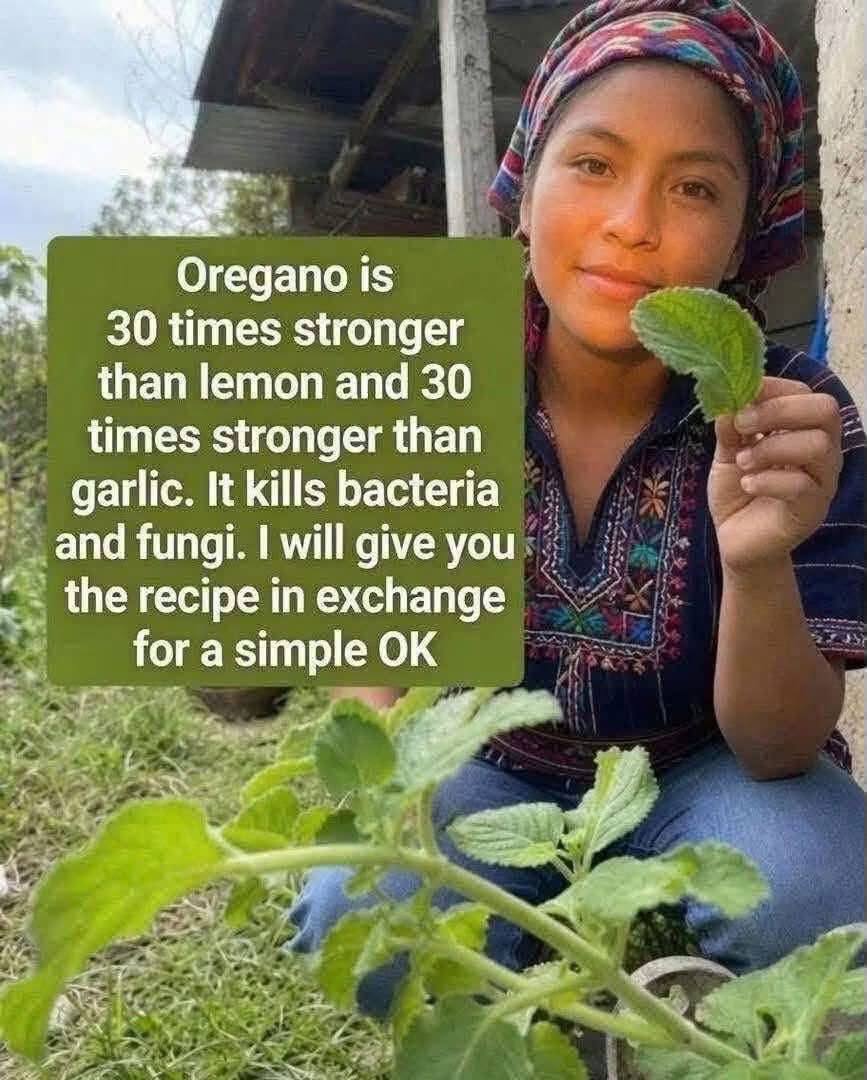
However, oregano is sometimes described online with exaggerated claims, including statements that it is “30 times stronger” than lemon or garlic and that it can kill bacteria and fungi in the body. These claims need to be interpreted carefully. Oregano contains compounds that have shown antimicrobial activity in laboratory research, but this does not mean that drinking oregano tea can cure infections or replace medical treatment.
The best way to think about oregano is as a flavorful herb with interesting nutritional and traditional uses.
What Is Oregano?
Oregano is an aromatic herb belonging to the Origanum genus. It is widely used in Mediterranean and other cuisines because of its distinctive flavor.
The leaves can be used fresh or dried. Dried oregano tends to have a particularly concentrated aroma and is a common pantry ingredient.
Oregano contains naturally occurring compounds such as carvacrol and thymol. These compounds have been investigated for their antioxidant and antimicrobial properties.
The concentration of these compounds can vary depending on the species of oregano, how the plant was grown, whether it is fresh or dried, and how it is prepared.
Oregano Tea
Oregano tea is generally made by steeping fresh or dried oregano leaves in hot water.
The resulting drink has a herbal, slightly bitter taste. Because oregano is naturally aromatic, only a small amount may be needed to produce a noticeable flavor.
Some people prefer to add lemon or a little honey to make the drink milder.
Unlike oregano essential oil, oregano tea is a relatively simple food-style preparation. Essential oils are highly concentrated products and should not be treated as equivalent to an ordinary cup of herbal tea.
Simple Oregano Tea Recipe
You can make a basic oregano tea with ingredients that are easy to find.
Ingredients
- 1 teaspoon dried oregano
- 1 cup hot water
- A small amount of lemon juice, optional
- Honey, optional
Instructions
- Place the dried oregano in a cup or teapot.
- Pour hot water over the herb.
- Cover the cup and allow it to steep for about 5–10 minutes.
- Strain the tea carefully.
- Add a little lemon juice if desired.
- Add a small amount of honey for sweetness if you like.
- Serve warm.
If you are using fresh oregano, you can use several washed leaves or small sprigs instead of dried oregano.
The flavor will vary depending on the type and amount of oregano used.
What Does Oregano Tea Taste Like?
Oregano has a stronger flavor than many mild herbal teas.
It can taste earthy, slightly bitter, peppery, and aromatic. The flavor may become more intense when a large quantity of dried oregano is used or when the herb is steeped for a long time.
If you are trying oregano tea for the first time, starting with a mild preparation is a good way to discover whether you enjoy it.
Lemon can add freshness, while honey can soften the bitterness.
Oregano and Antioxidants
Oregano contains naturally occurring plant compounds with antioxidant activity.
Antioxidants are substances that can interact with free radicals and other reactive molecules. Many herbs, fruits, vegetables, nuts, and spices contain different antioxidant compounds.
Oregano is particularly interesting because of its aromatic compounds, which have been studied in laboratory settings.
However, saying that oregano contains antioxidants does not mean that oregano tea can prevent or cure every disease.
Health is influenced by the overall quality of the diet and lifestyle rather than by one particular herb.
Does Oregano Kill Bacteria?
This is one of the most common claims associated with oregano.
Certain oregano compounds, particularly carvacrol and thymol, have demonstrated antimicrobial activity in laboratory studies. Researchers have investigated their effects against different microorganisms under controlled conditions.
But there is an important difference between laboratory activity and treating an infection in a person.
A substance can inhibit microorganisms in a laboratory experiment without producing the same effect when consumed as a food or tea.
The amount reaching the relevant part of the body, how it is absorbed, and how it is metabolized all matter.
Therefore, oregano tea should not be considered an antibiotic or used as a substitute for appropriate treatment of a bacterial infection.
What About Fungi?
Oregano and its essential oil have also been investigated for antifungal activity.
Again, much of the interest comes from laboratory research involving concentrated extracts or isolated compounds.
This research can be scientifically interesting, but it does not establish that drinking oregano tea will eliminate a fungal infection.
Fungal infections can require specific treatments depending on where the infection occurs and what organism is responsible.
If you have a suspected fungal infection, especially one that is persistent or worsening, appropriate medical advice is more reliable than attempting to treat it with herbal tea alone.
Oregano Compared With Garlic and Lemon
The image associated with this recipe claims that oregano is 30 times stronger than lemon and 30 times stronger than garlic.
There is no simple scientific measurement that allows these three foods to be ranked in this way.
Oregano, garlic, and lemon contain different nutrients and plant compounds. They also have different chemical compositions and different traditional uses.
For example, garlic contains sulfur-containing compounds, while lemon provides vitamin C and citrus compounds. Oregano contains aromatic compounds such as carvacrol and thymol.
Comparing them using a single “strength” number is therefore misleading.
Each can be enjoyed as part of a varied diet without needing to declare one ingredient the winner.
Oregano for Digestion
Oregano has traditionally been used in food and herbal preparations associated with digestion.
A warm cup of herbal tea may also be comforting after a meal.
However, oregano tea should not be presented as a treatment for ulcers, gastritis, acid reflux, inflammatory bowel disease, or other digestive disorders.
Persistent digestive symptoms can have many causes and may require proper evaluation.
If you experience ongoing abdominal pain, repeated vomiting, unexplained weight changes, blood in your stool, or other concerning symptoms, seek appropriate medical care.
Oregano and Respiratory Health
Herbal teas containing aromatic herbs are traditionally used by some people when they have a cough or feel congested.
The warmth of the drink can be soothing, and staying hydrated is useful when you are unwell.
However, oregano tea should not be described as a cure for respiratory infections.
Symptoms such as difficulty breathing, chest pain, a prolonged high fever, or symptoms that are getting significantly worse should receive appropriate medical attention.
Oregano and the Immune System
You may also encounter claims that oregano “boosts immunity.”
Oregano contains plant compounds and nutrients, but there is no reason to regard a cup of oregano tea as a special immune treatment.
A healthy immune system depends on many factors, including adequate nutrition, sleep, physical activity, and overall health.
Eating a wide variety of vegetables, fruits, whole grains, legumes, protein sources, and other nutritious foods is a more useful long-term approach than relying on a single herb.
Oregano Tea and Detox Claims
Some online recipes describe oregano tea as a detox drink that cleans the blood or removes toxins.
The body already has organs such as the liver and kidneys that perform important functions involved in processing and eliminating waste.
There is no established need for a special oregano tea to “clean” the blood.
Drinking an herbal beverage can contribute to fluid intake, but that should not be confused with a medical detoxification treatment.
Fresh or Dried Oregano?
Both fresh and dried oregano can be used.
Fresh oregano generally has a greener, more delicate flavor, while dried oregano tends to have a stronger and more concentrated taste.
For tea, dried oregano is convenient because it can be stored for a long time and is easy to measure.
Fresh oregano can be used when available, provided it is washed properly and intended for culinary use.
The final flavor will depend on the type of oregano and the quantity used.
Can You Add Lemon?
Yes. Lemon is one of the easiest ways to change the flavor of oregano tea.
The citrus acidity provides a fresh contrast to oregano’s earthy and slightly bitter taste.
Simply add a small squeeze of fresh lemon after straining the tea.
You can also add a thin slice of lemon to the cup for a pleasant presentation.
Can You Add Honey?
Honey can be added if you prefer a sweeter drink.
Because oregano can have a strong and slightly bitter taste, a small amount of honey can make the tea easier to drink.
There is no need to add a large amount. Start with a small quantity and adjust according to your preference.
Remember that honey is still an added source of sugar.
Oregano Tea as an Everyday Beverage
If you enjoy oregano tea, there is no need to follow an elaborate schedule involving several cups every day.
A mild herbal tea can simply be treated as an occasional beverage.
Using increasingly large quantities does not necessarily make a drink more beneficial. In fact, highly concentrated preparations may increase the chance of unwanted effects.
A varied diet is generally more valuable than depending heavily on one particular herb.
Important Safety Considerations
Oregano used as a normal culinary herb is familiar as a food ingredient.
However, concentrated oregano preparations are different from the small amounts typically used in cooking.
People who are allergic to oregano or related plants should avoid it.
If you are pregnant, breastfeeding, taking prescription medication, or managing a chronic medical condition, it is sensible to ask a healthcare professional before regularly consuming concentrated herbal preparations.
Oregano essential oil is particularly concentrated and should not be confused with oregano tea.
Oregano Tea Is Not a Replacement for Medication
One of the most important points when reading herbal recipes online is knowing the difference between a food and a medical treatment.
Oregano can be a useful culinary herb and an interesting subject of scientific research.
That does not make it a replacement for antibiotics, antifungal medication, diabetes treatment, blood-pressure medication, or other prescribed therapies.
If a healthcare professional has recommended a treatment, do not stop or replace it simply because an online post promises that an herb can do the same thing naturally.
How to Enjoy Oregano Responsibly
The simplest approach is to use oregano for its flavor and traditional culinary value.
You can prepare a mild cup of tea, add lemon for freshness, or use oregano in everyday meals.
It can also be combined with other herbs and spices when preparing food.
Rather than expecting one drink to solve multiple health problems, focus on the bigger picture: a varied diet, sufficient fluids, regular movement, adequate sleep, and appropriate healthcare when needed.
Final Thoughts
Oregano is much more than a common kitchen herb. Its distinctive flavor and naturally occurring compounds have made it an interesting subject of traditional use and scientific research.
Oregano tea is easy to prepare with dried or fresh leaves, hot water, and optional lemon or honey. It can be a pleasant caffeine-free drink when prepared mildly.
Laboratory research has found antimicrobial activity associated with some oregano compounds, but this should not be confused with proof that oregano tea can cure bacterial or fungal infections.
Similarly, claims that oregano is “30 times stronger” than lemon or garlic are not a meaningful way to compare these different foods.
Enjoy oregano for what it realistically offers: a flavorful herb with interesting natural compounds and a long culinary history. For infections or other medical conditions, rely on appropriate professional care rather than replacing proven treatment with a homemade herbal drink.