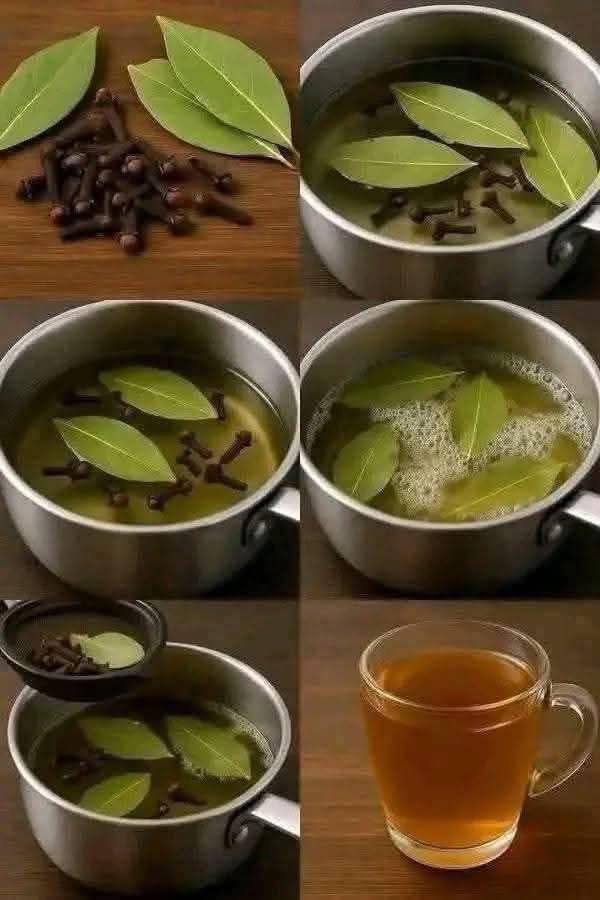
Bay leaf and clove tea is a simple herbal drink made by simmering aromatic bay leaves with whole cloves in water. Both ingredients are commonly used in cooking and have a long history of use in traditional food and herbal preparations.
The combination has a warm, spicy flavor and can be enjoyed as an occasional beverage. It is often shared online as a natural remedy for a wide range of health concerns, but many of the stronger claims made about this drink have not been established through good-quality human research.
What Is Bay Leaf and Clove Tea?
Bay leaves are aromatic leaves commonly used to season soups, stews, sauces, and other dishes. Cloves are dried flower buds with a strong, warm, slightly sweet flavor.
When simmered together in water, they produce a fragrant tea with a golden-brown color.
The drink can be served warm and enjoyed plain, or a small amount of lemon or honey can be added for flavor.
Why Are Bay Leaves Used in Traditional Preparations?
Bay leaves contain naturally occurring plant compounds that give them their characteristic aroma.
They have traditionally been used in cooking as well as herbal preparations. Their flavor comes from aromatic oils and other compounds naturally present in the leaves.
However, traditional use should not automatically be interpreted as proof that bay leaves can treat a particular disease.
A culinary herb can be nutritious and interesting without needing to be described as a cure.
What Makes Cloves Special?
Cloves are particularly aromatic because they contain naturally occurring compounds, including eugenol.
Eugenol has been studied for its antioxidant and antimicrobial properties in laboratory research. Cloves have also traditionally been used in food and herbal preparations.
However, laboratory research on a compound found in cloves does not mean that drinking clove tea can treat a medical condition.
The amount and form of a compound used in scientific experiments can be very different from the amount present in an ordinary cup of tea.
Simple Bay Leaf and Clove Tea Recipe
This recipe uses only a few ingredients and is easy to prepare.
Ingredients
- 2 to 3 dried bay leaves
- 3 to 5 whole cloves
- 2 cups of water
- Lemon, optional
- Honey, optional
Instructions
- Add the water to a small saucepan.
- Add the bay leaves and whole cloves.
- Bring the water to a gentle boil.
- Reduce the heat and simmer for several minutes.
- Turn off the heat and allow the tea to sit briefly.
- Strain the drink into a cup.
- Add a little lemon or honey if desired.
- Serve warm.
Because cloves have a strong flavor, starting with a small amount is usually preferable.
What Does It Taste Like?
Bay leaf gives the drink an herbal and slightly savory aroma, while cloves provide a warm and spicy taste.
The combination can be quite strong if too many cloves or bay leaves are used.
A little lemon can make the flavor brighter. Honey can soften the spicy and slightly bitter notes.
You can adjust the recipe according to your taste rather than following an unusually concentrated preparation.
Can You Drink It Every Day?
There is no requirement to drink bay leaf and clove tea every day.
An occasional cup as part of a normal diet is different from consuming large quantities or highly concentrated herbal preparations.
More is not necessarily better when it comes to herbs and spices. Concentrated preparations may contain considerably higher amounts of certain compounds than the quantities normally consumed in food.
If you regularly take medication or have a medical condition, it is worth asking a healthcare professional before making concentrated herbal drinks a daily habit.
Bay Leaf and Digestion
Bay leaf has traditionally been associated with digestive preparations, and many people enjoy herbal teas after meals.
The warm beverage itself can also be pleasant after eating.
However, bay leaf tea should not be presented as a treatment for ulcers, gastritis, chronic digestive disease, or other medical conditions.
Persistent stomach pain, frequent heartburn, repeated vomiting, unexplained changes in bowel habits, or other ongoing symptoms deserve proper medical evaluation.
Cloves and Oral Health
Cloves have a long history of traditional use in oral care.
Their naturally occurring eugenol has properties that have made clove-based preparations interesting in dental and laboratory research.
This does not mean that drinking clove tea can replace brushing, flossing, professional dental care, or treatment for dental problems.
If you have tooth pain, swelling, bleeding, or other persistent dental symptoms, it is better to have the underlying problem examined.
Does This Tea Detox the Body?
You may see bay leaf and clove drinks described online as “detox teas.”
The body already has organs, including the liver and kidneys, that continuously process and eliminate waste products.
There is no established need for a special tea to cleanse the blood or remove unspecified “toxins.”
Drinking an unsweetened herbal tea can contribute to your daily fluid intake, but that is different from claiming that it performs a medical detox.
What About Weight Loss?
Some online recipes claim that bay leaf and clove tea can melt fat or cause rapid weight loss.
There is not enough reliable evidence to support these claims.
No single herbal drink can selectively remove body fat or produce guaranteed weight loss.
If you enjoy this tea, drinking it without large amounts of added sugar can make it a simple low-calorie beverage. But meaningful changes in health and body composition depend on overall eating habits, activity, sleep, and many other factors.
Can It Lower Blood Sugar?
Bay leaves and cloves have been investigated in various experimental studies for their potential effects on glucose metabolism.
That research is interesting, but it does not establish that homemade bay leaf and clove tea can treat diabetes or safely lower blood sugar in people.
People taking medication that affects blood glucose should be particularly careful about using concentrated herbal preparations without medical advice.
A tea should never be used as a replacement for prescribed diabetes treatment.
Can It Lower Cholesterol?
You may also find claims that this combination can “clean” cholesterol from the blood.
Those claims are too strong.
Some studies have investigated individual spices and their possible effects on cholesterol and other metabolic markers, but evidence from laboratory or small experimental studies cannot be used to guarantee that a particular homemade tea will lower cholesterol.
If your cholesterol is elevated, a healthcare professional can help determine whether dietary changes, physical activity, medication, or a combination of approaches is appropriate.
Bay Leaf and Clove Tea for Immunity
Another common claim is that the drink “boosts the immune system.”
Both bay leaves and cloves contain plant compounds with antioxidant activity, but this does not mean that the tea provides a special shield against infections.
A healthy immune system depends on many factors, including adequate nutrition, sleep, physical activity, and appropriate medical care.
Rather than relying on one herbal drink, focus on a varied diet containing vegetables, fruits, whole grains, protein sources, and other nutritious foods.
Is It Safe?
Bay leaves used in normal culinary amounts are generally familiar as a food ingredient. Cloves are also commonly consumed as a spice.
However, concentrated herbal preparations can behave differently from normal food quantities.
Bay leaves should not be swallowed whole because their tough texture can create a choking or digestive hazard. Always remove whole bay leaves from food or strain them from tea before drinking.
Cloves can also cause irritation when consumed in excessive amounts, and concentrated clove oil is much stronger than culinary cloves.
Pregnant people, children, people with chronic medical conditions, and those taking medications should ask a qualified healthcare professional before regularly using concentrated herbal preparations.
How to Make the Flavor Milder
If your first cup tastes too strong, there are several simple ways to adjust it.
Use fewer cloves, add more water, or reduce the simmering time.
You can also add a slice of lemon after straining the tea.
A small amount of honey can provide sweetness, although it is optional.
The best recipe is one that tastes pleasant without requiring excessive amounts of spices.
When to Avoid Making Health Claims
A homemade herbal drink can be presented as a recipe without claiming that it cures diseases.
This is especially important for serious conditions.
Statements such as “cleans the blood,” “melts fat,” “cures diabetes,” or “repairs the liver” can make an ordinary food or beverage sound like a medical treatment.
Without strong clinical evidence, these claims should not be presented as established facts.
A more accurate description is that bay leaf and clove tea is a traditional, aromatic beverage that can be enjoyed in moderation.
A Simple Evening Drink
Because this tea is naturally caffeine-free, some people may enjoy it as an evening beverage.
Prepare a mild cup using bay leaf, a few cloves, and hot water. Allow it to cool slightly before drinking.
You can enjoy it after dinner or whenever you want a warm, aromatic drink.
There is no need to follow a strict seven-day or thirty-day schedule.
Final Thoughts
Bay leaf and clove tea is an easy homemade beverage with a distinctive warm and spicy flavor. Both ingredients have long histories in cooking and traditional herbal practices, and they contain naturally occurring plant compounds that have been studied scientifically.
However, traditional use and laboratory research should not be confused with proven medical treatment.
The tea should not be promoted as a cure for diabetes, high cholesterol, infections, weight gain, liver disease, or other medical conditions.
If you enjoy the flavor, prepare it mildly, strain the ingredients carefully, and treat it as what it is: a simple herbal drink that can be enjoyed as part of a varied diet. For persistent symptoms or diagnosed health conditions, proper medical advice remains much more important than any viral herbal recipe.