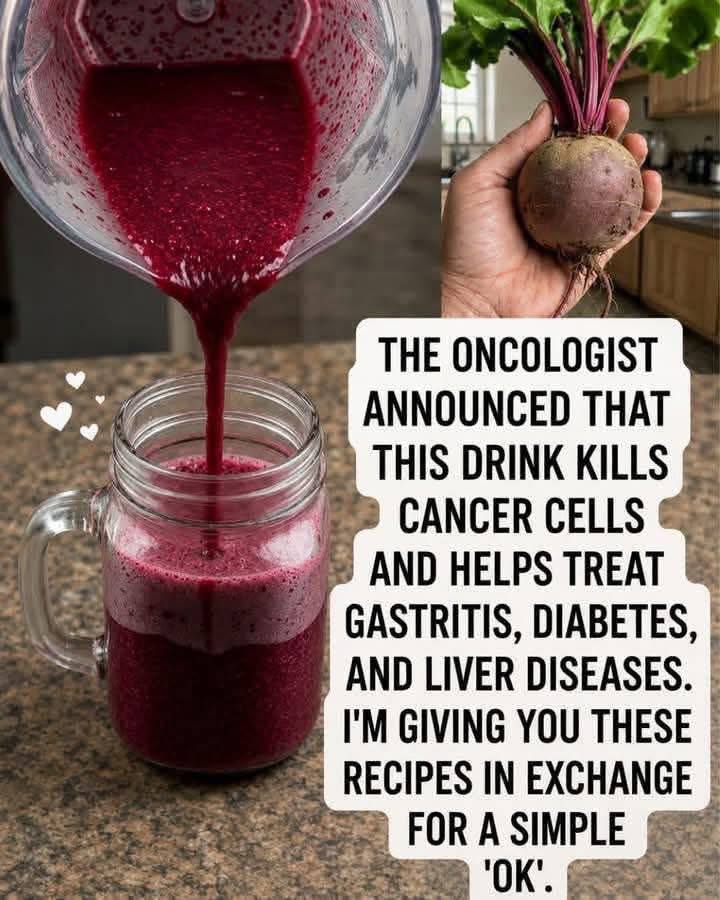
Beetroot juice is a colorful and refreshing drink made from fresh beets. Its deep red-purple color comes from natural plant pigments, and its earthy flavor can be balanced with fruits such as apples, oranges, or lemons.
Beetroot has become increasingly popular in homemade juice recipes because it contains several nutrients and naturally occurring plant compounds. It is also widely studied for its relationship with blood pressure and exercise performance.
At the same time, social media posts sometimes make much stronger claims than the available evidence supports. One example is the claim that a beetroot drink can “kill cancer cells” or treat gastritis, diabetes, and liver disease.
Those claims should be treated carefully. Beetroot can be a nutritious food, but it is not a proven cure for cancer or other medical conditions. A healthy drink can be part of a balanced diet without being presented as a replacement for medical treatment.
What Is Beetroot Juice?
Beetroot juice is made by extracting or blending the juice from fresh beetroot. Depending on the recipe, other ingredients may be added to improve the taste.
Common additions include:
- Lemon
- Apple
- Orange
- Ginger
- Carrot
- Cucumber
- Water
Beetroot has a naturally earthy and slightly sweet flavor. Some people enjoy it on its own, while others prefer combining it with sweeter fruits.
The nutritional composition of the finished drink depends on the ingredients and preparation method.
Why Is Beetroot So Popular?
Beetroot contains naturally occurring nitrates, which have attracted considerable scientific interest. The body can convert dietary nitrates into compounds involved in the nitric oxide pathway.
Nitric oxide plays an important role in blood-vessel function and circulation.
Research has therefore examined beetroot and beetroot juice in areas such as blood pressure and physical performance.
This does not mean that beetroot juice is a treatment for every health problem. It simply means that beetroot contains compounds that are interesting from a nutritional and scientific perspective.
Beetroot Juice and Blood Pressure
Blood pressure is one of the areas where beetroot juice has been studied most extensively.
Dietary nitrate from beetroot can contribute to the production of nitric oxide, which is involved in the widening and relaxation of blood vessels. Some research has found that beetroot consumption may produce a modest reduction in blood pressure in certain people.
However, the effect is not the same for everyone, and drinking beetroot juice should not be considered a substitute for prescribed blood-pressure medication.
If you have high blood pressure, continue following the treatment and lifestyle recommendations provided by your healthcare professional.
Beetroot can be included in a healthy diet, but it should be viewed as a food rather than a cure.
Does Beetroot Juice Kill Cancer Cells?
The image claims that this drink can kill cancer cells.
There is currently no basis for recommending homemade beetroot juice as a cancer treatment.
Beetroot contains antioxidants and other plant compounds, and scientists study many foods to understand how their components interact with cells. Laboratory research can sometimes identify interesting biological effects.
However, laboratory findings do not automatically mean that eating or drinking the food will treat cancer in humans.
Cancer is a complex group of diseases with different causes, characteristics, and treatments. A food or drink that contains potentially beneficial compounds cannot be assumed to destroy cancer cells inside the human body.
Anyone diagnosed with cancer should follow the treatment plan developed with their medical team.
Why Food Research Is Different From Cancer Treatment
It is easy for online posts to turn a scientific finding into a dramatic health claim.
For example, researchers might study a particular compound from beetroot in a laboratory. If the compound affects certain cells under experimental conditions, that may be worth investigating further.
But this is only an early step in scientific research.
Researchers need to determine whether the compound reaches the relevant tissues in humans, whether the amount required is safe, whether it actually produces the same effect in people, and whether it improves meaningful health outcomes.
A glass of beetroot juice is not equivalent to a concentrated laboratory extract.
This distinction is important when evaluating viral claims about foods and cancer.
Beetroot Juice and Diabetes
Another claim in the image is that the drink can treat diabetes.
There is no evidence that a beetroot drink can cure diabetes.
Beetroot contains naturally occurring carbohydrates and can be part of a balanced diet. However, people with diabetes need to consider the carbohydrate content of their overall meals and drinks.
Juicing can also make it easier to consume a relatively large amount of vegetables or fruit quickly.
If you have diabetes, a homemade beetroot drink can potentially fit into your eating pattern, but it should not replace medication, glucose monitoring, or the dietary plan recommended by your healthcare professional.
What About Liver Health?
Beetroot is sometimes described online as a “liver detox” food.
The liver naturally performs many important functions, including processing nutrients and substances in the body. There is no need for a special juice to “flush” or cleanse a healthy liver.
Eating vegetables as part of a balanced diet can support overall nutrition, but that is very different from treating liver disease.
If liver problems are suspected, the cause needs to be identified. Conditions affecting the liver can have many different causes and may require specific treatment.
A beetroot drink should not be used instead of appropriate medical evaluation.
Beetroot and Antioxidants
Beetroot contains several naturally occurring plant compounds, including betalain pigments.
These compounds contribute to beetroot’s characteristic color and have antioxidant properties that are being studied by researchers.
Antioxidants are part of the body’s natural defenses against oxidative processes. Many fruits and vegetables contain different antioxidant compounds, which is one reason a varied diet is encouraged.
However, describing a food as “antioxidant-rich” does not mean that it can prevent or cure a particular disease.
The benefits of a nutritious diet come from the overall pattern of foods rather than one special ingredient.
Can Beetroot Juice Support Exercise?
Beetroot juice has also attracted attention in sports nutrition.
The nitrates found naturally in beetroot may influence oxygen efficiency and blood flow during physical activity. Some studies have reported improvements in certain aspects of exercise performance, particularly during endurance-type activities.
The results depend on factors such as the amount consumed, timing, type of exercise, and individual differences.
This is an interesting area of nutrition research, but it does not turn beetroot juice into a general-purpose health treatment.
For everyday use, beetroot can simply be enjoyed as one nutritious vegetable among many.
A Simple Beetroot Juice Recipe
If you enjoy the flavor of beetroot, you can prepare a simple homemade drink with a few ingredients.
Ingredients
- 1 medium beetroot
- 1 apple
- ½ lemon
- A small piece of fresh ginger
- 1 cup of water
Instructions
- Wash the beetroot thoroughly.
- Peel it if desired and cut it into small pieces.
- Wash and cut the apple.
- Peel the ginger.
- Add the beetroot, apple, ginger, and water to a blender.
- Blend until smooth.
- Add the lemon juice.
- Strain the mixture if you prefer a thinner drink.
- Serve immediately or chill before drinking.
You can adjust the amount of water depending on the consistency you prefer.
Beetroot Smoothie Instead of Juice
Blending beetroot rather than extracting its juice can be a useful alternative.
When the entire vegetable is blended, more of its natural fiber remains in the drink. Fiber is an important part of a balanced diet and contributes to digestive health and fullness.
A smoothie can also be made more substantial by combining beetroot with ingredients such as plain yogurt, oats, or other fruits.
The choice between juice and a smoothie mainly depends on your preference and the type of drink you want.
Beetroot, Apple, and Lemon
Apple is a popular addition because its natural sweetness can balance beetroot’s earthy flavor.
Lemon provides acidity and freshness, making the drink taste lighter.
This combination is especially useful if you are trying beetroot juice for the first time and find the flavor too strong on its own.
You can experiment with the proportions until you find a taste you enjoy.
Beetroot and Ginger
Ginger adds a warm, slightly spicy flavor to beetroot juice.
A small piece is usually enough because fresh ginger can become quite strong.
Ginger and beetroot also create a colorful drink that can be served chilled or at room temperature.
As with the other ingredients, the combination is primarily a flavorful food choice rather than a treatment for a medical condition.
Can Beetroot Change the Color of Urine?
One harmless effect that some people notice after eating beetroot is a reddish or pinkish color in their urine. This is sometimes called beeturia.
Not everyone experiences it, and the intensity can vary.
Beetroot can also temporarily change the color of bowel movements.
Although these changes can look surprising, they can occur after eating beetroot. However, if you notice blood in your urine or stool and you have not recently eaten beetroot, it is important not to assume that food is the cause.
Persistent or unexplained changes should be discussed with a healthcare professional.
Things to Consider Before Drinking Beetroot Juice
Beetroot is generally a nutritious food, but large amounts of concentrated juice are not necessarily better than eating normal portions of vegetables.
People who have been advised to limit dietary potassium or who have certain kidney conditions may need individualized dietary advice.
Beetroot also contains oxalates, which can be relevant for people who are prone to certain types of kidney stones.
If you have a medical condition or follow a medically prescribed diet, ask your healthcare professional whether regularly drinking concentrated beetroot juice is appropriate for you.
Choosing Fresh Beetroot
When preparing beetroot at home, choose firm roots without obvious signs of spoilage.
Wash them carefully before cutting or blending. If you are using the leaves, wash those thoroughly as well.
Fresh beetroot can be stored in the refrigerator until you are ready to use it.
Because beetroot juice can stain surfaces, clothing, and kitchen equipment, it is useful to clean spills promptly.
How Often Should You Drink It?
There is no medically required schedule for drinking beetroot juice.
You do not need to follow a special seven-day, ten-day, or thirty-day routine to obtain a “detox.”
If you enjoy beetroot, it can simply be included in your normal diet alongside other vegetables and fruits.
Variety is more important than relying on one particular drink every day.
The Importance of Medical Treatment
Natural foods can contribute to a healthy diet, but they are not replacements for medical care.
This is especially important for serious conditions such as cancer, diabetes, liver disease, or significant digestive disorders.
If you have symptoms or have already received a diagnosis, speak with a qualified healthcare professional about appropriate treatment.
Do not stop medication or postpone recommended treatment because an online post claims that a particular juice can cure a disease.
Final Thoughts
Beetroot juice is a colorful, flavorful drink that can provide naturally occurring nitrates, plant compounds, and other nutrients. It can be combined with ingredients such as apple, lemon, ginger, or carrot to create a refreshing homemade beverage.
Research into beetroot has produced interesting findings, particularly concerning blood pressure and exercise performance. However, those findings should not be turned into claims that beetroot juice can kill cancer cells or cure diabetes, gastritis, or liver disease.
The best way to enjoy beetroot is as part of a varied and balanced diet.
A simple beetroot drink can be delicious and nutritious without promising miraculous results. When it comes to serious health conditions, reliable medical care should always come before viral recipes or unverified claims.