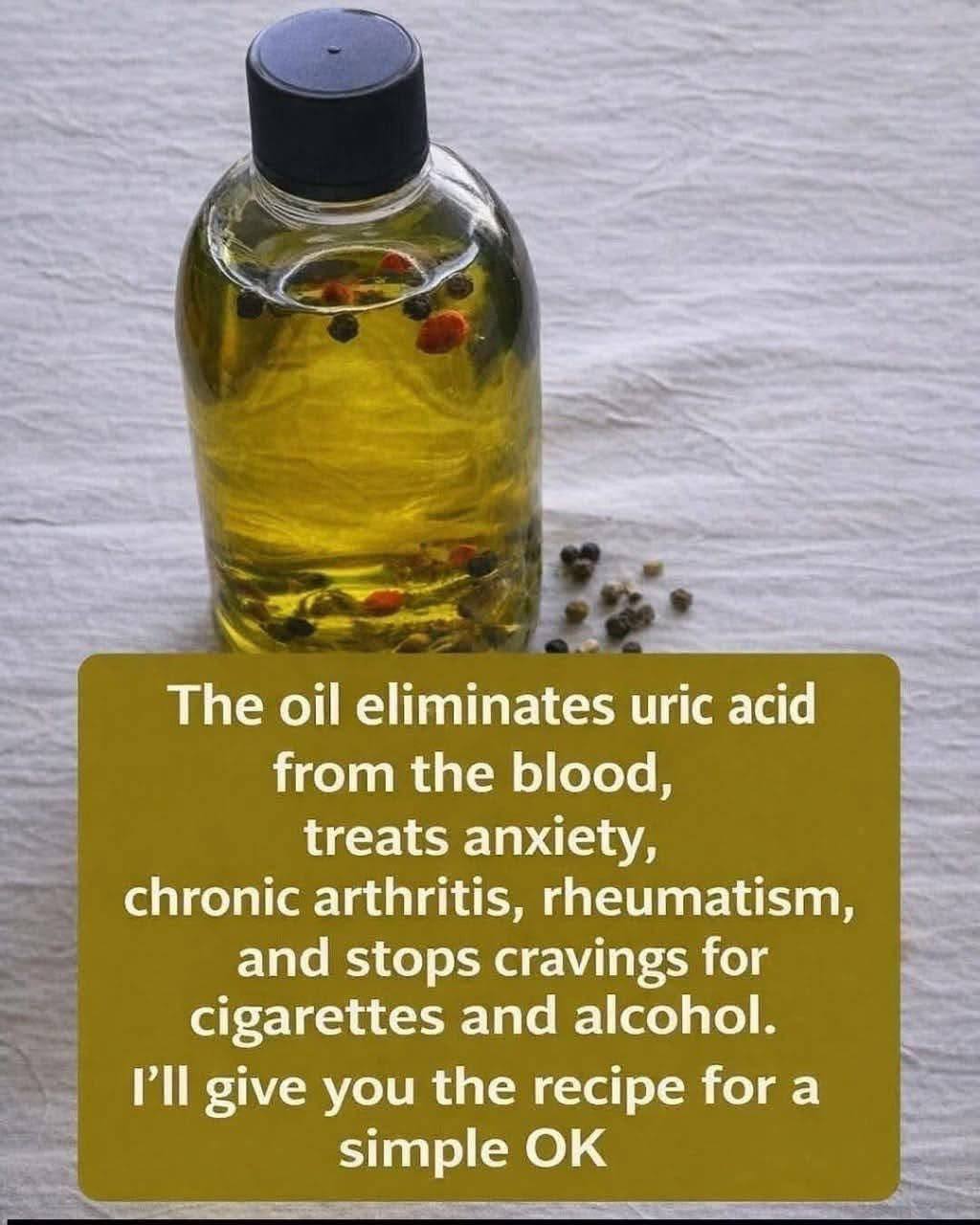
Herbal oils have been used in traditional practices for many years. They are often made by combining a carrier oil with herbs, spices, or other plant ingredients and are commonly applied to the skin during a massage.
You may come across recipes online claiming that a particular homemade oil can remove uric acid from the blood, treat arthritis and rheumatism, reduce anxiety, or even stop cravings for cigarettes and alcohol. These claims should be approached carefully because a homemade oil cannot be expected to treat a wide range of medical conditions.
Still, a simple herbal oil can be used as part of a relaxing massage routine. Some ingredients may provide a pleasant warming or soothing sensation on the skin, while the massage itself can feel relaxing.
What Is Herbal Oil?
Herbal oil is generally made by infusing plant ingredients into a carrier oil. Common carrier oils include olive oil, coconut oil, sunflower oil, and other vegetable oils.
Depending on the recipe, ingredients may include herbs, spices, seeds, or dried plant material. The final oil can have a distinctive aroma and color.
Herbal oils are commonly used externally. They can be gently massaged onto areas such as the hands, feet, shoulders, or other parts of the body.
It is important to distinguish between using an oil on the skin and taking an oil internally. A product intended for massage should not automatically be consumed.
Can Oil Remove Uric Acid From the Blood?
One of the claims associated with recipes like this is that the oil can eliminate uric acid from the blood.
There is no reliable evidence that rubbing a homemade herbal oil onto the skin can remove uric acid from the bloodstream.
Uric acid is produced naturally when the body breaks down substances called purines. The kidneys normally remove much of the uric acid through urine.
When uric acid levels become too high, a person may develop a condition such as gout. Managing high uric acid depends on the underlying cause and may involve dietary changes, medication, and medical monitoring.
A topical oil cannot substitute for these treatments.
Understanding Gout and Uric Acid
Gout is a form of inflammatory arthritis associated with high levels of uric acid in the body. When urate crystals accumulate around joints, they can cause sudden episodes of pain and inflammation.
The most appropriate treatment depends on the individual situation.
Lifestyle measures can sometimes be helpful, but people who have recurrent gout or persistently elevated uric acid may need medication prescribed by a healthcare professional.
Using an herbal oil on a painful joint may provide a comforting massage experience, but it does not remove the underlying urate crystals.
Can Herbal Oil Treat Arthritis?
Arthritis is not a single disease. Different types of arthritis have different causes and treatments.
Some people use massage oils because massage can feel soothing around stiff or uncomfortable areas. Applying a pleasant-smelling oil while gently massaging the skin may help someone relax.
However, this should not be confused with treating the cause of arthritis.
If joint pain is persistent, severe, associated with swelling, or affecting normal movement, it is better to have the problem evaluated. The appropriate treatment depends on whether the symptoms are related to osteoarthritis, gout, an inflammatory condition, an injury, or another cause.
What About Rheumatism?
“Rheumatism” is a broad, older term that has been used to describe different types of joint and muscle discomfort.
Because many different conditions can cause similar symptoms, there is no single oil that can treat all of them.
A homemade herbal oil may be used as a massage oil for comfort, but it should not be presented as a cure for rheumatic diseases.
If someone has ongoing joint stiffness, swelling, warmth, or pain, identifying the actual cause is more useful than relying on a general-purpose remedy.
Can Massage Help With Relaxation?
Although an oil cannot treat every condition mentioned in viral recipes, massage itself can be a relaxing activity.
Gentle massage may help reduce the feeling of muscle tension and can be incorporated into a relaxing evening routine.
The oil mainly provides lubrication, allowing the hands to move more comfortably over the skin.
A simple massage can also be a pleasant self-care activity when performed gently and safely.
Can This Oil Treat Anxiety?
Another claim sometimes associated with herbal oils is that they can treat anxiety.
An aroma or massage may help some people feel calmer temporarily, especially when incorporated into a relaxing routine. However, this is different from treating an anxiety disorder.
Persistent anxiety can affect sleep, concentration, school or work, relationships, and everyday activities. When anxiety is interfering with daily life, talking to a qualified healthcare professional can be much more helpful than relying on an oil.
A relaxing massage may complement a person’s normal self-care routine, but it should not replace appropriate support or treatment.
Can It Stop Cigarette or Alcohol Cravings?
Claims that a homemade oil can stop cravings for cigarettes or alcohol should also be treated with caution.
Cravings can have physical, psychological, and behavioral components. There is no good evidence that simply applying an herbal oil to the skin can eliminate them.
People who want to stop smoking or reduce alcohol use can benefit from evidence-based support, behavioral strategies, and professional guidance when needed.
An herbal oil may have a pleasant smell, but it should not be described as a treatment for addiction or dependence.
A Simple Herbal Massage Oil
If your goal is simply to make a basic massage oil, you do not need a complicated mixture.
Ingredients
- ½ cup of a suitable carrier oil, such as olive or sunflower oil
- A small amount of dried herbs or spices, if desired
- A clean, dry glass container
Preparation
- Make sure the container and utensils are clean and completely dry.
- Place the dried plant ingredients into the container.
- Add the carrier oil.
- Close the container securely.
- Allow the ingredients to infuse according to the type of herb being used.
- Strain the oil carefully before applying it to the skin.
- Store the finished oil in a clean container away from excessive heat and direct sunlight.
Using completely dry ingredients is important when making infused oils at home because moisture can encourage spoilage.
For a very simple option, you can also use plain olive or sunflower oil as a massage oil without adding any herbs.
How to Apply Massage Oil
Before applying a new oil over a large area, test a small amount on a limited area of skin.
If there is no irritation, a small amount can be gently massaged into the desired area.
Avoid applying oil to broken, irritated, or infected skin. Keep it away from the eyes and other sensitive areas.
The massage should be gentle rather than forceful, particularly when an area is already painful or swollen.
Important Safety Considerations
Natural ingredients are not automatically risk-free.
Some herbs and spices can irritate sensitive skin. Essential oils can be particularly concentrated and should not be applied directly to the skin without appropriate dilution.
If an oil causes burning, itching, redness, swelling, or another unusual reaction, wash the area and stop using the product.
Homemade oils should also be stored properly. If the oil develops an unusual smell, appearance, or signs of spoilage, it should be discarded.
When Joint Pain Needs Medical Attention
A massage oil should not delay medical care when joint symptoms are concerning.
It is especially important to seek professional advice when pain is severe or persistent, when a joint becomes very swollen or hot, or when symptoms appear suddenly without an obvious explanation.
Sudden intense joint pain can sometimes be associated with gout or other inflammatory conditions. A healthcare professional can determine the likely cause and recommend appropriate treatment.
The Bottom Line
Herbal massage oils can be enjoyable to use and may make a relaxing massage more comfortable. They can be part of a simple self-care routine, particularly when the goal is relaxation or temporary comfort.
However, there is no good evidence that rubbing a homemade oil onto the body removes uric acid from the blood, cures arthritis, treats rheumatism, or eliminates cravings for cigarettes and alcohol.
For high uric acid, gout, persistent joint pain, anxiety, or substance dependence, the underlying condition deserves appropriate evidence-based care.
A homemade oil can be a pleasant addition to a wellness routine—but it should not be treated as a cure-all.