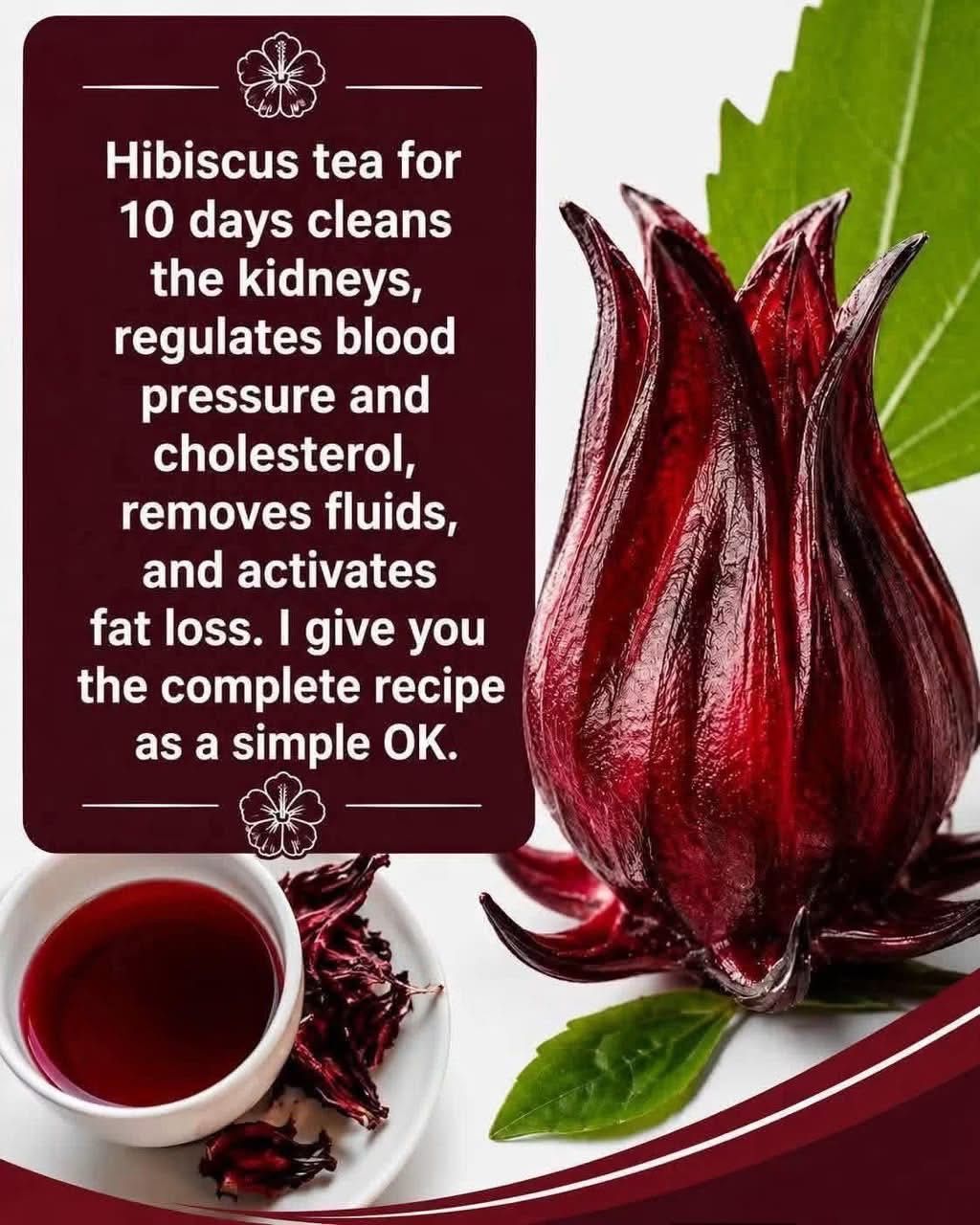
Hibiscus tea is a refreshing herbal drink made from dried hibiscus flowers. It has a beautiful deep-red color and a naturally tangy flavor that can be enjoyed either hot or cold.
Hibiscus tea has been used traditionally in many cultures for generations. Today, it is also popular among people looking for simple ways to add more plant-based drinks to their daily routine.
Although hibiscus tea has some interesting potential health benefits, many online claims about it are exaggerated. It is not a “detox” drink that can clean the kidneys in a few days, and it should not be considered a treatment for medical conditions. Still, when enjoyed as part of a balanced lifestyle, it can be a pleasant addition to your routine.
What Is Hibiscus Tea?
Hibiscus tea is usually prepared from the dried calyces of Hibiscus sabdariffa, a plant known for its bright red color and tart taste.
When the dried hibiscus is placed in hot water, the water quickly develops a deep ruby-red color. The flavor is naturally sour, so some people prefer to add a little honey, lemon, or another ingredient to make it milder.
The tea contains naturally occurring plant compounds, including anthocyanins and other antioxidants. These compounds are responsible for some of the color and are also being studied for their possible role in supporting health.
Hibiscus tea is naturally caffeine-free when it is made from hibiscus alone, making it an option for people who want a warm drink without the caffeine found in traditional tea or coffee.
Hibiscus Tea and the Kidneys
A common claim is that drinking hibiscus tea for 10 days can “clean” or “detox” the kidneys.
The kidneys already have an important natural role in filtering waste from the blood and maintaining the body’s fluid and mineral balance. Healthy kidneys do not need a special tea or cleanse to perform this function.
Drinking enough fluids is important for normal kidney function, and hibiscus tea can contribute to your overall fluid intake. However, there is no good reason to believe that a specific 10-day hibiscus routine physically cleanses the kidneys.
Anyone with kidney disease, a history of kidney stones, or another kidney-related condition should speak with a healthcare professional before regularly using herbal products.
Hibiscus Tea and Blood Pressure
One of the most studied potential benefits of hibiscus is its relationship with blood pressure.
Research has suggested that hibiscus preparations may have a modest blood-pressure-lowering effect in some adults with elevated blood pressure. However, the results do not mean that hibiscus tea can replace prescribed medication or medical advice.
If you already take medication for blood pressure, it is especially important to be cautious with regular hibiscus consumption. Combining different blood-pressure-lowering effects could potentially make your blood pressure too low.
For this reason, hibiscus tea is best considered a beverage rather than a treatment.
Hibiscus and Cholesterol
Hibiscus is sometimes described as a natural cholesterol-lowering drink.
Some studies have investigated whether hibiscus preparations can influence cholesterol and blood lipid levels. However, the evidence is not strong enough to treat hibiscus tea as a replacement for dietary changes, exercise, or medication when medication has been prescribed.
A healthy eating pattern remains much more important for maintaining healthy cholesterol levels.
Adding hibiscus tea to your routine can be a simple choice, especially when it replaces sugary drinks, but it should not be presented as a guaranteed way to lower cholesterol.
Does Hibiscus Tea Remove Excess Fluid?
Hibiscus tea is also sometimes described as a natural diuretic.
People may notice that they urinate more after drinking certain beverages, but this does not mean that the drink is removing “toxins” from the body.
Fluid balance is naturally controlled by the kidneys and other systems in the body. If you regularly experience swelling or unexplained fluid retention, the underlying cause should be evaluated rather than simply trying to eliminate the fluid with herbal drinks.
Can Hibiscus Tea Help With Weight Management?
Hibiscus tea is sometimes promoted as a drink that “activates fat burning.”
There is not enough evidence to say that drinking hibiscus tea directly causes significant fat loss. No tea can replace balanced nutrition, regular physical activity, adequate sleep, and other healthy habits.
One practical advantage is that plain hibiscus tea contains very few calories. If you enjoy its flavor and drink it instead of sugary beverages, it can fit easily into a balanced eating pattern.
The important point is that hibiscus tea itself should not be considered a weight-loss treatment.
How to Make Hibiscus Tea
Making hibiscus tea at home is very simple.
Ingredients
- 1 to 2 tablespoons of dried hibiscus flowers
- 2 cups of water
- Honey or another sweetener, if desired
- Lemon, optional
Instructions
- Bring the water to a boil.
- Add the dried hibiscus flowers.
- Reduce the heat and allow the mixture to steep for about 5–10 minutes.
- Strain the flowers from the tea.
- Allow the tea to cool slightly.
- Add a small amount of honey or lemon if you prefer.
For iced hibiscus tea, allow it to cool completely and serve it over ice.
Because hibiscus has a naturally strong, tart flavor, you can adjust the amount of dried flowers according to your taste.
How Often Can You Drink It?
There is no universal requirement to drink hibiscus tea for exactly 10 days.
If you enjoy it, you can include it occasionally as part of your normal beverage choices. The appropriate amount can depend on your overall health, medications, and individual circumstances.
More is not necessarily better. Drinking large amounts of any herbal beverage can cause unwanted effects, particularly if it affects blood pressure, fluid balance, or interacts with medication.
Who Should Be Careful With Hibiscus Tea?
Hibiscus tea is generally used as a beverage, but it may not be appropriate for everyone.
People taking medication for high blood pressure should be particularly careful because hibiscus may contribute to lower blood pressure.
It is also sensible to ask a healthcare professional before regularly consuming concentrated herbal preparations if you take prescription medication or have a chronic medical condition.
Pregnant or breastfeeding individuals should also seek professional advice before regularly consuming medicinal amounts of herbal products.
If you experience unusual symptoms after drinking hibiscus tea, stop consuming it and seek appropriate medical advice.
A Simple Way to Enjoy Hibiscus Tea
Hibiscus tea does not need to be part of a complicated detox routine. You can simply enjoy it as a flavorful herbal beverage.
For a refreshing drink, prepare a batch, let it cool, and keep it refrigerated. You can serve it over ice with a slice of lemon. During colder weather, it can be enjoyed warm with a little honey.
The naturally bright color also makes hibiscus tea an attractive addition to a meal or afternoon drink.
Final Thoughts
Hibiscus tea is a flavorful, naturally caffeine-free herbal drink with some promising areas of research, particularly regarding blood pressure. It also contains antioxidant plant compounds and can be a useful alternative to sugary beverages.
However, claims that a 10-day hibiscus tea routine can cleanse the kidneys, remove toxins, eliminate excess fluid, or directly activate fat loss go beyond what the evidence supports.
The healthiest approach is to enjoy hibiscus tea for what it is: a simple herbal beverage that can complement a balanced lifestyle. It should not replace medical treatment, prescribed medication, or professional advice.
A cup of hibiscus tea can certainly be part of a healthy daily routine—but there is no need to think of it as a quick cleanse or a miracle drink.